
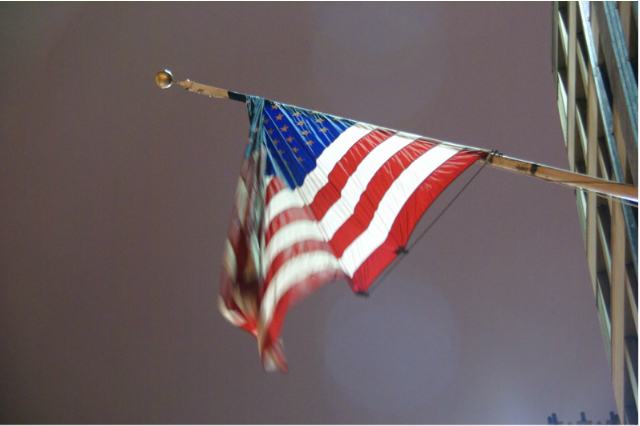
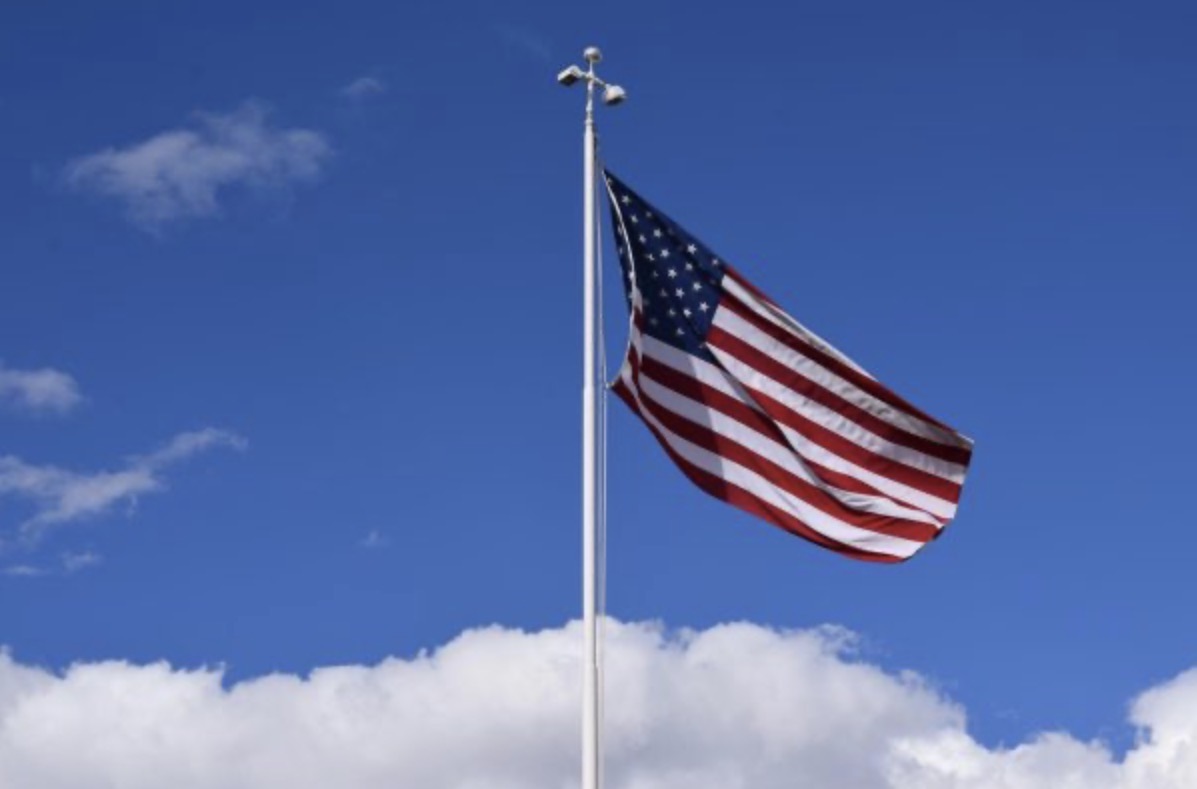
Everyone knows the catchy pledge that you were taught to do every weekday morning since you were a kid until you’re an adult. The Pledge of Allegiance is pledging to make America the best place it could be, not pledging to say every choice in America was necessarily right.
No matter your religion or your opinions about the country and politics, there are three key words: republic, liberty, and justice. These components to the pledge are undefining reasons to stand. Republic refers to the United States as a nation, where the people get to choose representatives for the practicality of a large country, not a direct democracy. Liberty represents the freedoms to act, speak, and to live without restriction. Justice represents protection of rights and proper treatment under the law.
Many feel that they are not being treated fairly by this country, yet they will always have the freedom to speak out, seek change, or pave a new path, and they will always have the decision of how to respond. You even have the right to not stand for the pledge of allegiance—it is all your choice. As a female, I am beyond appreciative to have the choice to change and to speak. Afghanistan has little to no rights for women. Many women are required to wear face coverings in public, they have an education ban, and they aren’t even allowed to access public places like parks. I have had the privilege to have access to public space, to be in a school to gain knowledge, while being able to thank my country every single day for letting me have a choice through the pledge.
I’ve begun to notice the pledge being stereotyped. Many say it’s “dated” or only inclusive of certain groups. But the pledge is a statement of unity with our nation and the shared values that belong to all Americans, no matter how you identify, your race or background. The pledge was never dated, people just don’t take the time to interpret the pledge and think about it in the context of the modern world. Now, even though the pledge represents “liberty and justice for all,” it doesn’t mean that everyone will be treated fairly by others or that life for anyone will be free of harm. Experiencing injustice or violence doesn’t mean the pledge is wrong—the pledge reflects ideals for the country, not guaranteeing perfection.
Most high school students can agree with the fact that at least one of their classmates doesn’t stand for the pledge. The pledge lasts about 30 seconds, and those are 30 seconds a solider could have taken their final breath, or have had their first traumatic experience seeing someone else close their eyes once and for all. Standing for the flag is out of respect to all the veterans and current soldiers fighting for your protection. Though some wars haven’t been a defense for our freedom, our military and representatives still need to make choices on what’s best for the country, and none of it would be possible without people risking their lives for new opportunities for our nation. My dad was a sniper in the U.S. army for roughly four years. It hurts to know that if my dad ever came to my high school he would receive disrespect from the students after he risked his life so others could live their lives the way we do right now.
Honestly, I’m not trying to force the pledge of allegiance onto you. Everyone in America has the right to form their own opinions about it and how to represent, but knowing that anyone can have this decision is more than enough for me to stand for the flag, and our country, every single morning.

















Damon McMillan • Mar 23, 2026 at 12:52 pm
Nicely written, Chayce. And it’s fitting that we say the Pledge of Allegiance in schools since our form of government will only work for an educated populace.