[Warning: This article contains spoilers and discussion of mental illness and suicide, viewer discretion is advised]
If the first book destroyed you, If Only I Had Told Her by Laura Nowlin will absolutely dismantle you.
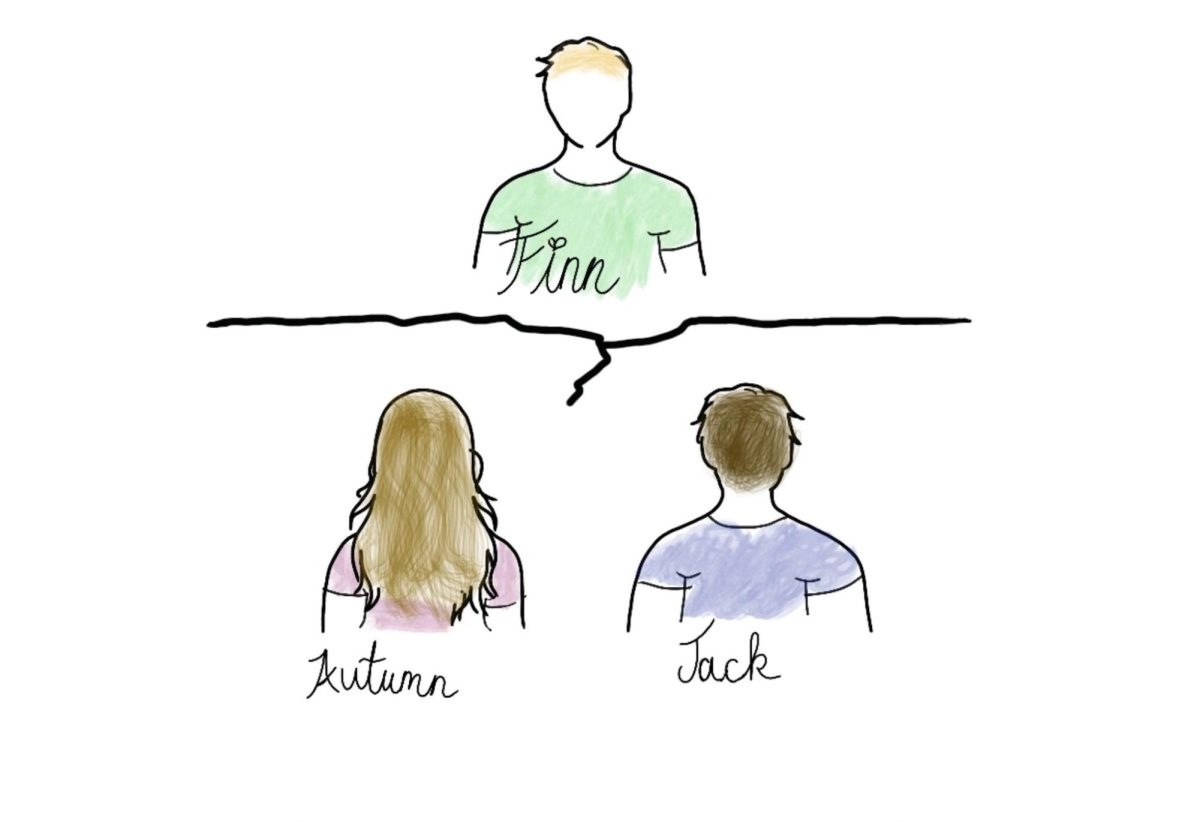
The sequel revisits the timeline from Finn’s perspective, and reading his thoughts after knowing how his story ends is devastating. You see his loyalty to Sylvie, his internal conflict, and his deep, unwavering love for Autumn. You see how often he hesitates, how often he convinces himself to wait, how often he believes there will be more time when you know there isn’t. Even though he does cheat on Sylvie with Autumn, you can see his internal struggle of how to deal with it because he doesn’t truly love Sylvie. Just not as much as he loves Autumn. However, I truly hate how he cheated on Sylvie and lied to her throughout their relationship and the summer she was gone in Europe, and I won’t excuse it.
I had to stop reading for about a week because it overwhelmed me. Finn’s perspective makes the tragedy feel personal and broke my heart into a million pieces. Every hopeful thought he has about a future with Autumn feels heavier because you know it won’t happen. You know his thoughts, hopes, and dreams while knowing that he won’t be able to fulfill any of it.
But the sequel expands beyond Finn.
Jack’s perspective is one of the most heartbreaking additions. Watching him process losing his brother is raw and unfair. His grief isn’t loud, It’s steady and crushing. He loses more than a sibling. He loses his history, his best friend, the constant and reliable person in his life. His chapters show how loss ripples outward and affects everyone differently.
Autumn’s perspective in the sequel is layered with grief and guilt. After surviving her suicide attempt in the first book, she’s someone who has already faced the depths of her own mental struggle. Now she’s forced to survive the loss of Finn. It’s a different kind of pain, but just as overwhelming.
When she finds out she’s pregnant while in the mental institution, the weight of everything intensifies. She’s standing at the edge of adulthood, about to begin her future, and suddenly that future looks completely different. Her decision to keep the baby isn’t naive or romanticized. It’s rooted in grief and love. She chooses to hold onto the one piece of Finn she still has. She understands that becoming a young mother will change her life completely, but losing him entirely feels worse.
The sequel doesn’t rewrite the tragedy. It deepens it. It shows how love can be constant and still mistimed. It shows how mental health struggles don’t disappear just because someone survives. It shows how grief reshapes people.
If the first book broke your heart, this one makes you relive it from every angle. Finn’s voice makes it intimate. Jack’s perspective makes it broader. Autumn’s choices make it complicated and painfully human. It not only reinforces how the book portrays life as outwardly messy, but it also captures the different ways grief can look.
And somehow, even after being emotionally destroyed, it still feels worth reading.