It’s often said that sports on the artsy side of things are no longer “sports.” But when you look into facts, there’s nothing to back that argument
First, you have to define what the word ‘sport’ truly means. Oxford dictionary defines a sport as: “an activity involving physical exertion and skill in which an individual or team competes against another or others for entertainment.”
Let’s break down how dance fits every criteria.
The first part of the definition says an “activity involving physical exertion.” On the cardio side of dance, you are expected to go out and perform a high-intensity routine for up to two minutes. In this, you are expected not to slow down during the routine and keep the same energy the entire time. Just this proves that it’s an activity involving physical exertion.
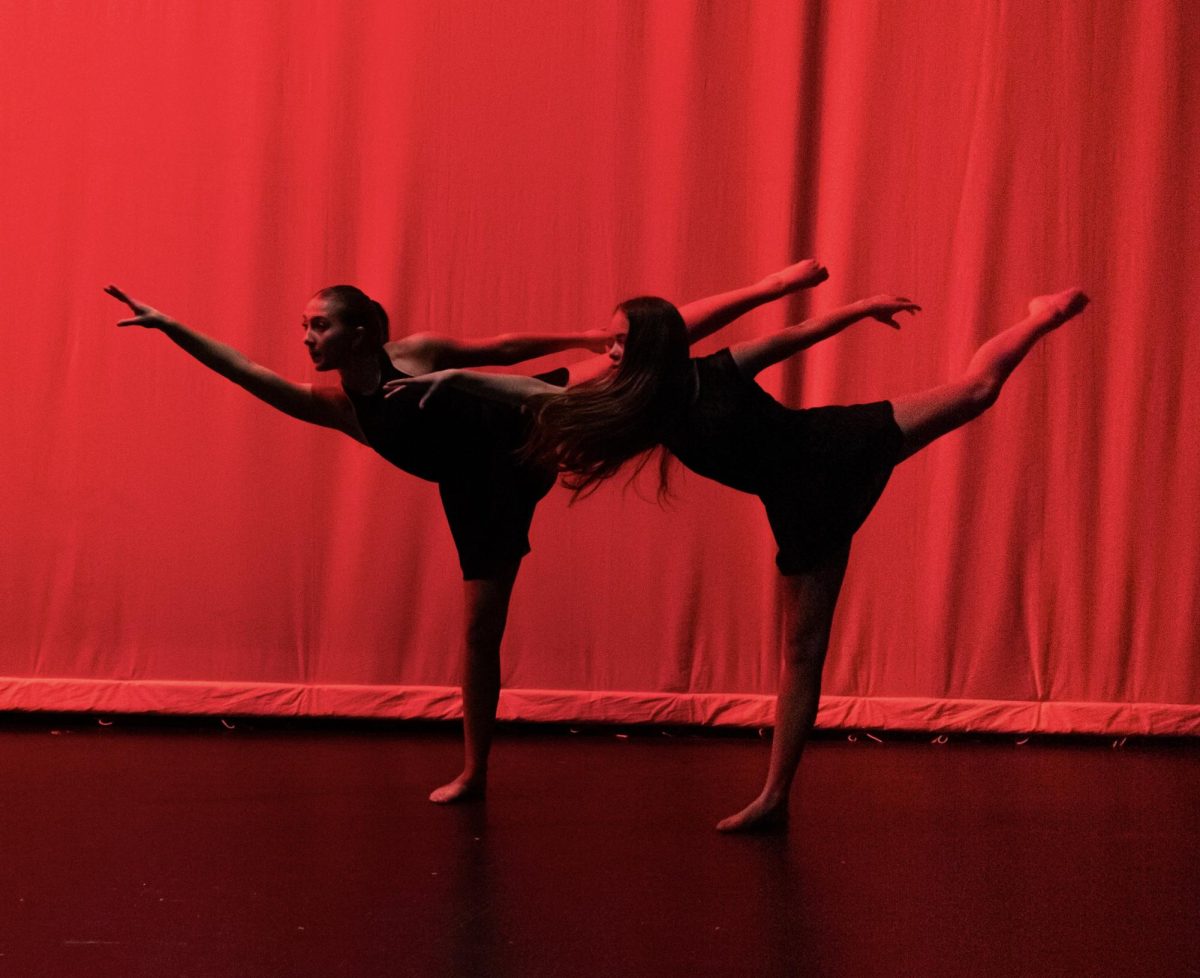
In addition to it fitting the physical exertion criteria, it goes well beyond that because it is important to perform in an artistic way while keeping up this level of physical activity. This includes having to be in sync with the music or team, having to keep a good facial expression (to make it look easy), and staying aware of where you are for formations.
The next part of definition states, “an individual or team that competes against another or others for entertainment.” For most dance styles, there is competition in some shape or form. Whether that is competing at a dance competition, a dance battle (hip hop/breaking specifically), or for performing companies. Through these competitions, dancers find themselves competing for lead roles and/or being accepted in the company or cast itself.
I do believe a component of people thinking dance isn’t a sport is the fact that part of the performance is making the sport look easy. This requires dancers to have muscles so strong and flexible that their bodies can make these unnatural positions, such as leaps and turns, look natural.
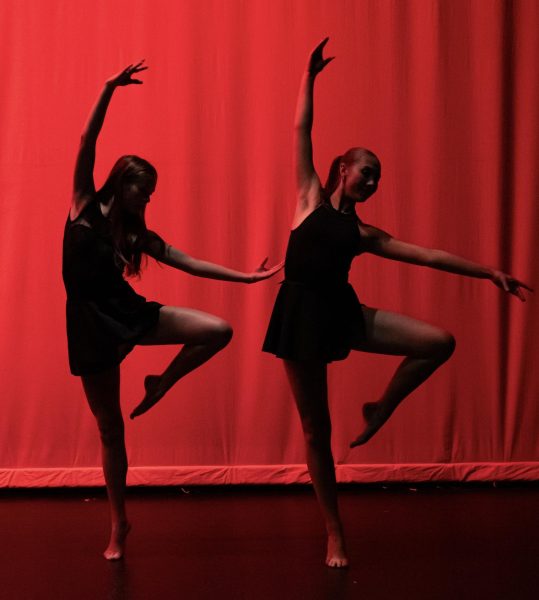
Although, to a non-dancer, it looks as if all they need to be able to perform a high leap is the dancer’s splits, but really, this is far from the truth. For most leaps, dancers are expected to lift their legs to up 180 degrees with a single plié (power step). This requires tons of strength from the quadriceps and hamstrings for propulsion, glutes for hip extension, and calves for the final push off. Not to mention the hip flexor strength to get your legs even higher.
Turns are very similar. Some might think the only thing is balance and stability, but there is a lot more than meets the eyes. Dancers are asked to engage almost every muscle in their leg to be able to balance their whole body on the ball of their foot (or three toes for pointe). While having the core and back strength to keep everything above balanced.
These are really just the essential muscles, with most dancers having very strong arm muscles. If that’s hip hop/breaking, when dancers are taxed to balance and hold their body weight on just arms or even hands. Ballet dancers who keep their arms up and lifted the entire time—which may sound easy, but after a while can start to feel insanely heavy—while keeping them looking light and not even engaged. Or jazz and Pom dancers having to make very strong and sharp movements.
This is just the beginning of all that dancers have to do behind the scenes. This all, by definition, proves dance is a sport and even goes way beyond that.